My Daughter Has Alopecia. Is It Okay to Feel Sad?
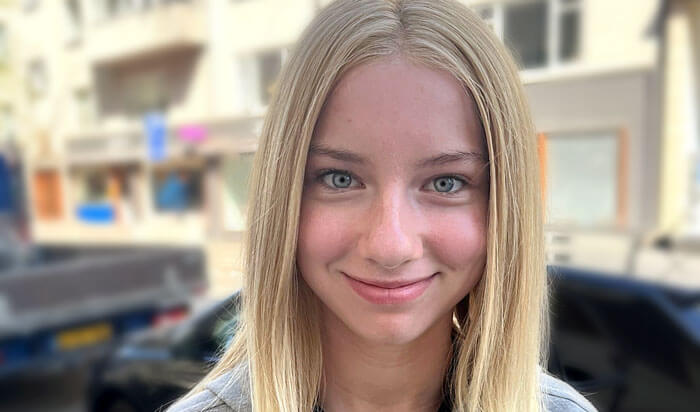
I am the mother of 13-year-old Alberte, and this is my story about her journey with Alopecia
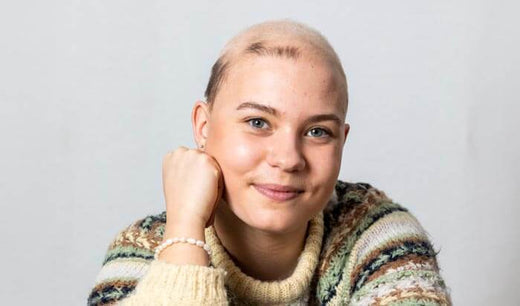
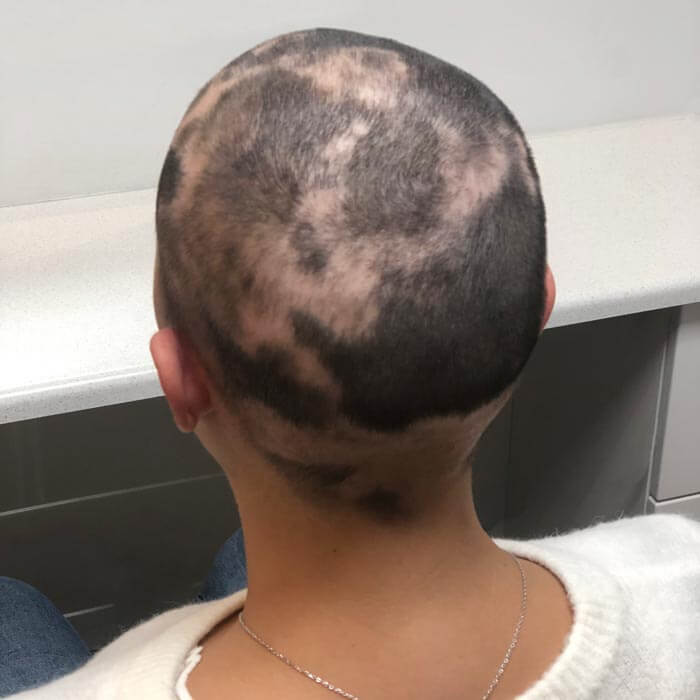
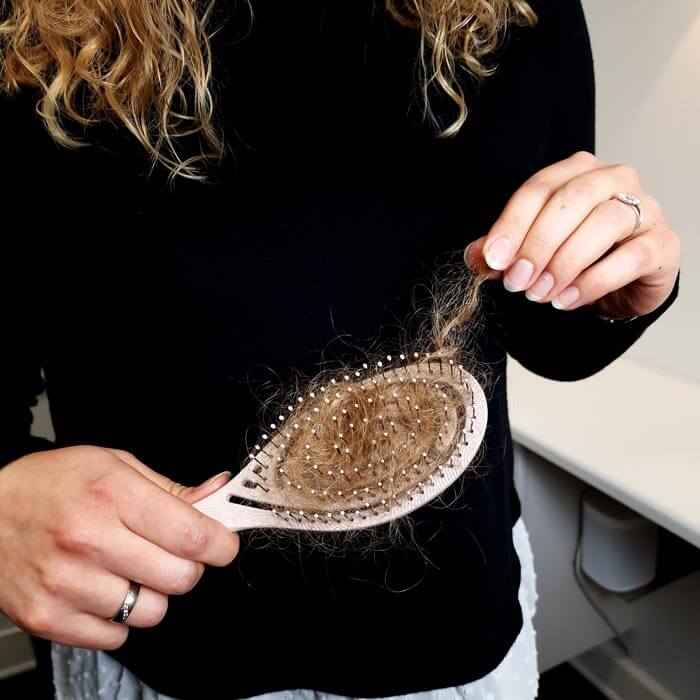
When Alberte was 2.5 years old, we noticed that she had lost a lot of hair at the back of her head. We brushed it off, thinking she had probably just “rubbed” it off, as we had seen with so many other small children. But it got worse and worse. We consulted our doctor, where she had numerous blood tests done and was referred to a dermatologist. Here, it was determined that Alberte suffered from the autoimmune disease Alopecia. We were told that since she was so severely affected, we should expect that she would lose all her hair. That really knocks the wind out of you!!
 |
 |
At that age, Alberte had no understanding of what it meant. It is one thing to be sad that your child has alopecia; another thing was the comments I received. “She’s not seriously ill” and “It’s not something she can die from”. I am absolutely sure it was not meant in a hurtful way, but it still left me feeling that I wasn’t allowed to be sad, because it wasn’t a serious illness she could die from…
Alberte Got Her Hair Back
Well, I searched the entire internet because I thought there simply had to be some kind of treatment. But I had to accept that there isn’t. The only thing I found was that you could try a gluten-free diet. So that’s what we did for several years. And it actually worked—Alberte’s hair grew back. Whether it was because of the gluten-free diet or something else, we don’t know. From the time she was about 3 until 10 years old, Alberte had almost all her hair. A few small patches would appear now and then, and what makes this disease so strange is that suddenly there is a bald spot. It doesn’t fall out in large clumps; it just sort of “disappears,” and in some cases, the patch simply gets bigger and bigger.
When Alberte was about 10 years old, she started getting many bald patches, and it really escalated when she broke her leg in November 2022. At that point, we also stopped the gluten-free diet, as Alberte was already tired of it. The patches just kept getting bigger and bigger, and it is incredibly hard to watch your child become more and more upset. You try to stay strong, but inside you are crying your heart out for your child.
We tried hair extensions, and Alberte was so happy because she could cover the patches and didn’t feel like she had to “hide” them. But when she broke her leg, unfortunately we had to cut them off. I promised Alberte that once we were past the broken leg, she could have extensions again. The problem was that her patches had now become so large that there was hardly any hair left for them to attach to, which once again made both Alberte and me very sad.


At that time, Alberte tried a wig, but unfortunately it did not have the desired effect. It was at a very small shop, and she was asked to try on a synthetic adult wig, while also being told that she would need to shave off all her own hair—meaning she would be completely bald. Alberte simply could not do that.
The Best Thing We Have Ever Done
Alberte and I have cried many tears together. We have always talked openly about alopecia, and we have told her that she is a beautiful, wonderful, and amazing girl. But I completely understand and relate to the feelings she has. At some point, a hug from mom or dad and being told you are beautiful is just not enough anymore.
In April 2024, I contacted Toftild by email and sent photos of Alberte, because we honestly didn’t know what options were available. Shortly after, we received a reply—and just like that, we had an appointment at Toftild in Aarhus (we are from Southern Jutland).
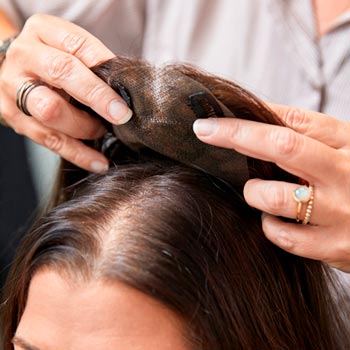
When we arrived, I have to say I was truly impressed with how we were welcomed. Annie really listened to Alberte’s wishes and thoughts. Alberte tried on a few wigs, and I must admit there were tears in my eyes. I could see my daughter’s smile growing bigger and bigger with each wig she tried on. She was glowing. It is the best thing we have ever done.

Alberte and I hope that by sharing our story, we can help others with the same awful disease see that wigs are not just for “old” ladies. Alberte still experiences that people are surprised when they find out she is wearing a wig. Because if you don’t know, you simply can’t tell. It has also given Alberte an inner sense of peace that she now feels like “everyone else,” meaning she no longer feels that everyone is staring at her. I am so incredibly proud of Alberte and her courage to be open about her disease. Yes, she wears the wig most of the time, but it is not a problem for her to take it off when doing sports or when it is extremely hot.
A huge thank you to Toftild for the absolutely amazing and understanding experience they gave us.