

What Is Alopecia Areata?
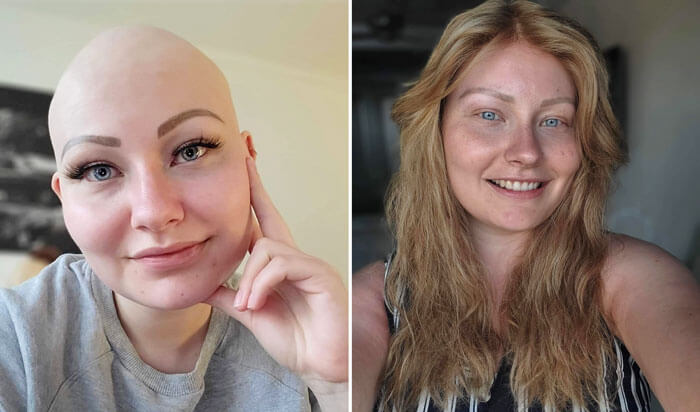
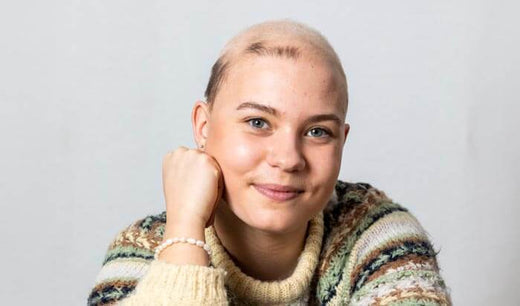
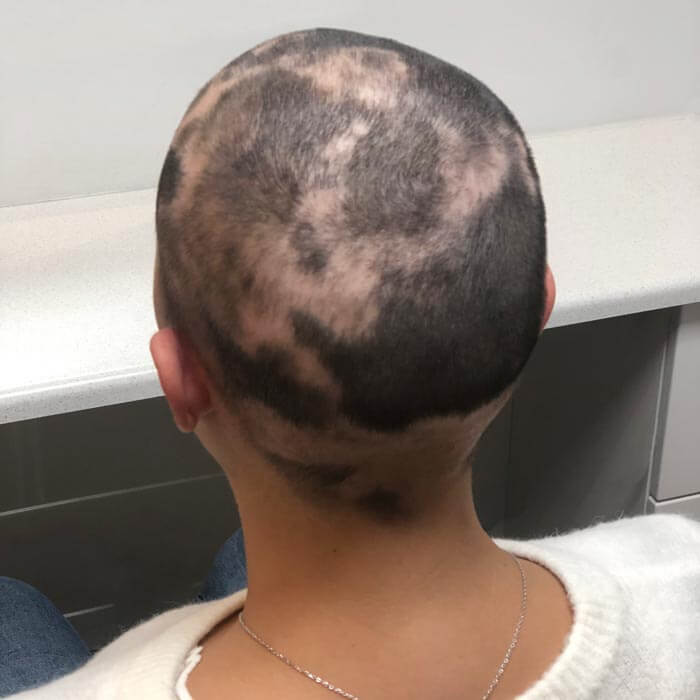
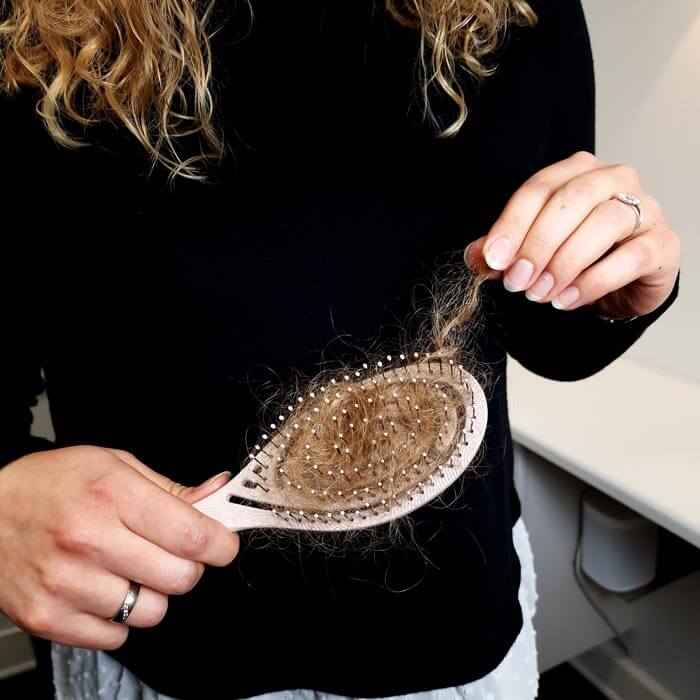
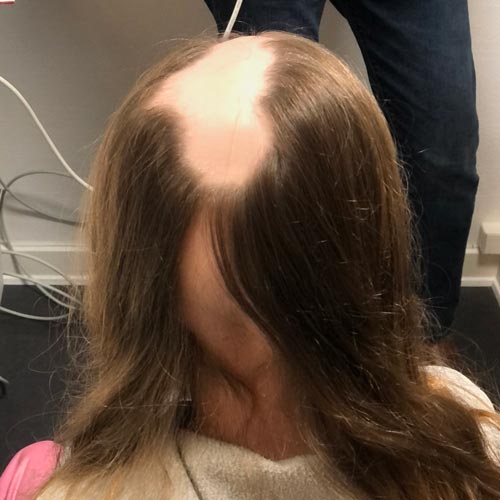
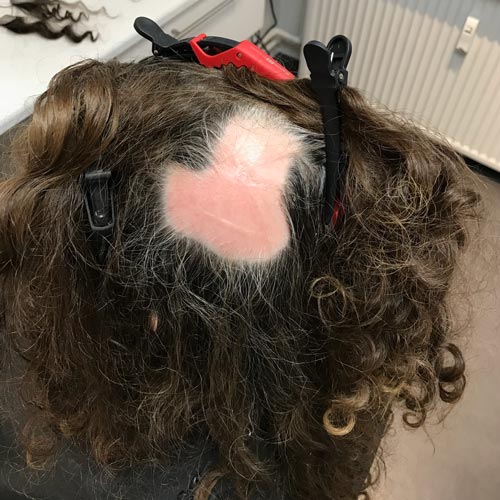
Alopecia areata is the most common variation of alopecia, also known as patchy hair loss. It is an autoimmune disease in which the body’s own immune system attacks the hair follicles. This causes all the hair in a limited area to fall out, and the hair follicles go into a resting phase before they begin producing new hair strands again. And it is not only the hair on the scalp that alopecia can affect. Patchy hair loss can also occur in the beard, eyebrows, and eyelashes.
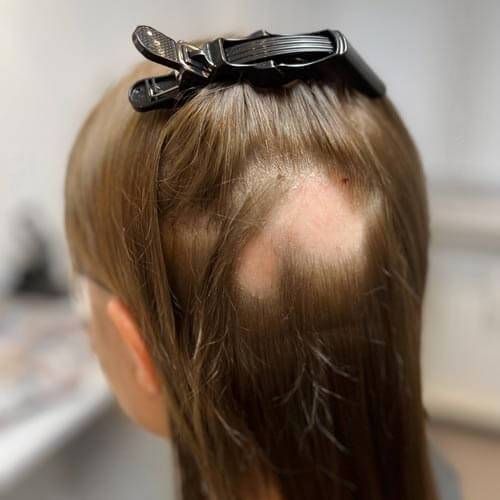
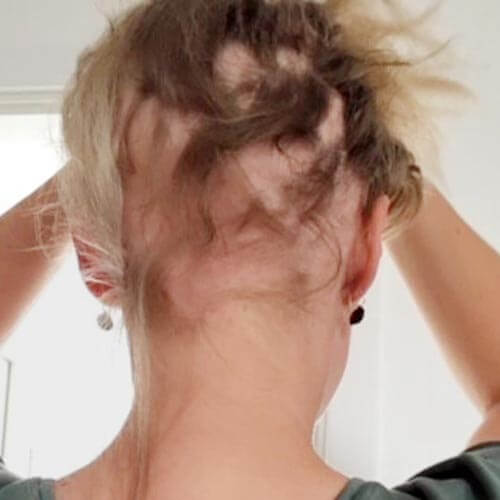
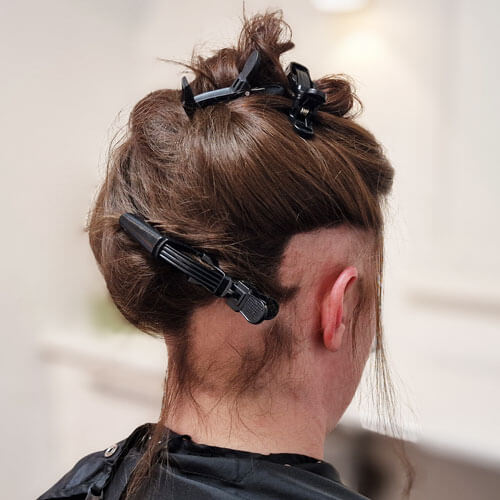
Alopecia areata begins with small bald patches on the scalp measuring a few centimeters, and multiple areas of patchy hair loss often appear at the same time. The bald patches may either move or grow larger. The course of alopecia areata varies greatly from person to person.
Why do you get patchy hair loss?
It is still unknown why alopecia areata occurs. However, research indicates that heredity most likely plays a significant role. In addition, psychological stress, infections, and other autoimmune diseases such as diabetes and thyroid disorders may trigger hair loss in individuals who are genetically predisposed.
Can alopecia areata be cured?
The short answer is no. If you suffer from alopecia areata, it is important to remember that your hair follicles are in a dormant state, and there is an 80% chance that your hair will grow back. A miracle cure to reactivate the hair follicles has not yet been developed, although research is ongoing. Over the years, vitamins and mineral supplements, various medications, and special shampoos have been tested, but unfortunately without documented effect. Therefore, our best advice is to wait and give it time.
Hårløsninger til pletskaldethed
Hvis dine skaldede pletter er stationære - dvs. at de ikke flytter sig rundt - kan du få en speciallavet hårløsning med Hår for Livet® by Toftild. Her bliver der skåret "hårtotter" ud efter et aftryk af formen på dine pletter. Disse bliver enten tapet eller limet fast, så de bare pletter er skjult.
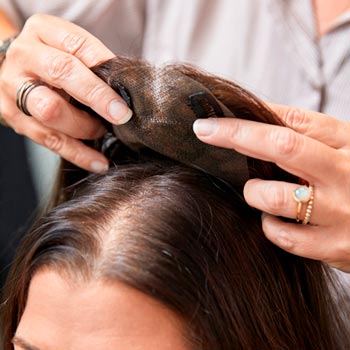
Hvis pletterne kontinuerligt ændre sig, kan en anden løsning være en hair topper, som clipses ovenpå dit eget hår og dækker bare plamager. Er hårtabet mere omfattende, tilbyder vi selvfølgelig også parykker. Alle hårløsninger fra Toftild ser naturlige ud og blender naturligt ind med dit eget hår.
Nanna har haft alopecia i mange år. Her tager hun jer en tur med i stolen, så i kan se hvordan vi hjælper hende med at skjule sine bare pletter.

Natural Hairbands Made from Donated Hair
We introduce our unique Toftild Hairband, made from donated hair, to provide a beautiful, natural, and comfortable solution for girls and women experiencing hair loss. The hairbands are specially designed for those living with alopecia or undergoing chemotherapy who wish to regain the feeling of natural hair and personal style.

Financial Support for Hair Solutions
If you have been diagnosed with alopecia by a dermatologist, you can apply to your municipality for a medical voucher for hair solutions. A voucher is a public financial subsidy that covers the purchase of a wig or toupee. The subsidy is granted under Section 112 of the Danish Social Services Act. You apply via borger.dk under the category “assistive devices”. There is always free choice of supplier in this area, which means that even if a specific supplier name appears on your voucher, you are free to choose where to purchase your new hair. In other words, you can always choose Toftild, regardless of which supplier name is stated on your voucher. At Toftild, we are also happy to guide you through the process of applying for financial support for wigs, toupees, and other hair loss solutions. Read more about subsidy options for wigs and toupees here.
How does alopecia areata develop?
According to sundhed.dk, half of those affected by alopecia regain their hair after 6–12 months. In others, the condition remains active for several years. Hair may begin to regrow in the oldest bald patches, while new bald patches may appear elsewhere.
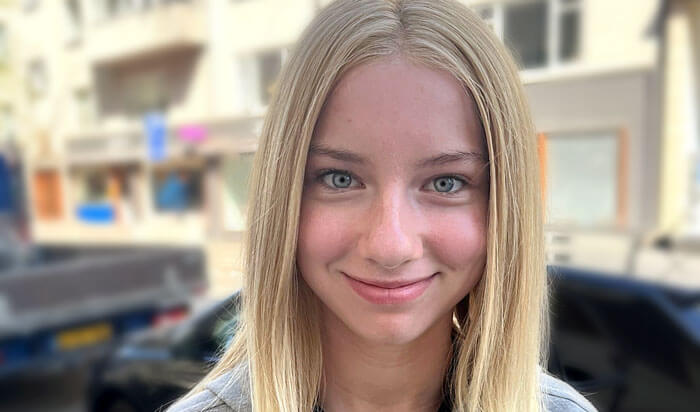
Sundhed.dk states that approximately 80% of those affected by alopecia areata regain their hair. However, the new hair may have a change in pigment, and in some cases, the new hair is white. This may be temporary, but it can also result in a permanent change in the affected area.
If you have experienced alopecia areata once and regained all your hair, there is unfortunately a risk of recurrence later in life.
Patchy hair loss can also develop into alopecia totalis, where all hair on the scalp is lost. A small number of people may develop alopecia universalis, which involves the loss of all body hair, including eyebrows, eyelashes, hair on the arms and legs, and intimate hair – in other words, all hair on the body.
How is alopecia areata diagnosed?
Many factors can cause hair loss, such as stress, vitamin deficiencies, and other medical conditions. Therefore, you should contact your GP, who will examine you. If your doctor suspects patchy hair loss, also known as alopecia areata, you will be referred to a dermatologist who will make the diagnosis.
Do you suffer from patchy hair loss?
If you are experiencing patchy or general hair loss and would like to learn more about the options we offer to give you more hair, you can book a free and non-binding online consultation with Lise Toftild. She will assess your hair loss and provide our professional recommendation for possible solutions. Simply fill out the form below, briefly describe your hair loss, and feel free to upload photos. The photos help us make a more accurate assessment. Don’t worry – the images are deleted in accordance with GDPR after the evaluation has been completed.