

What is alopecia?
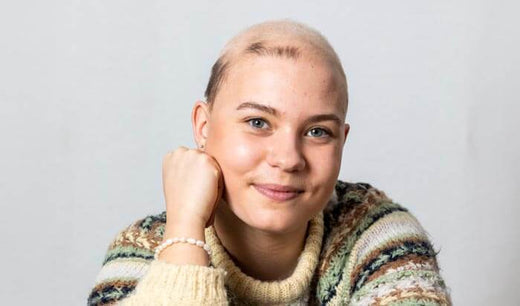
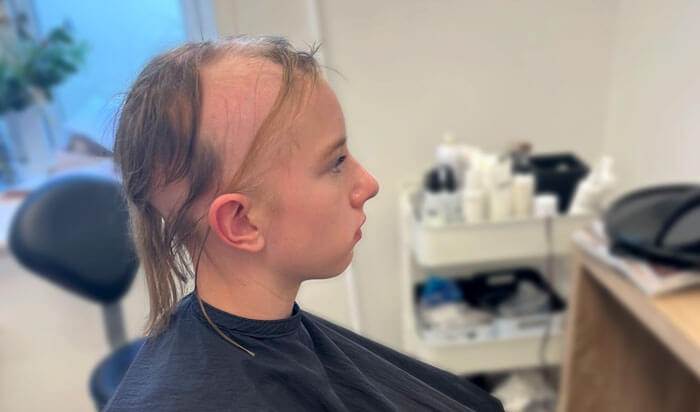
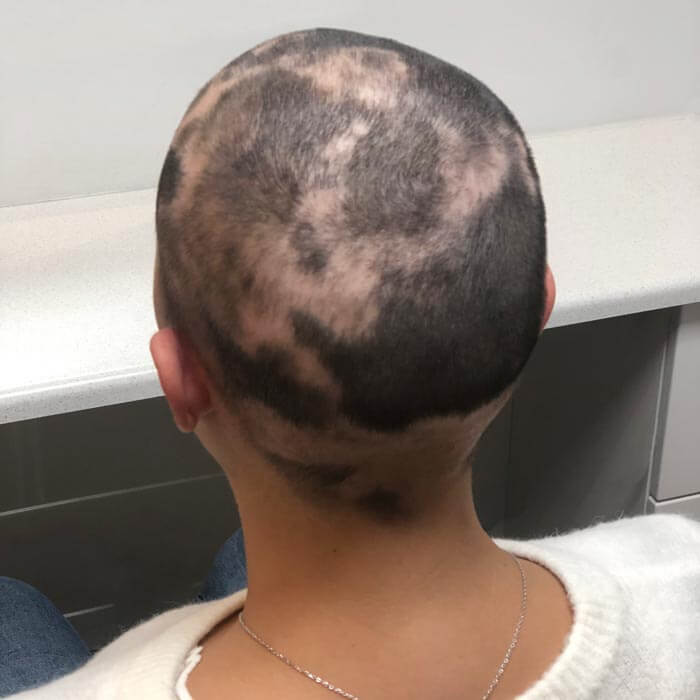
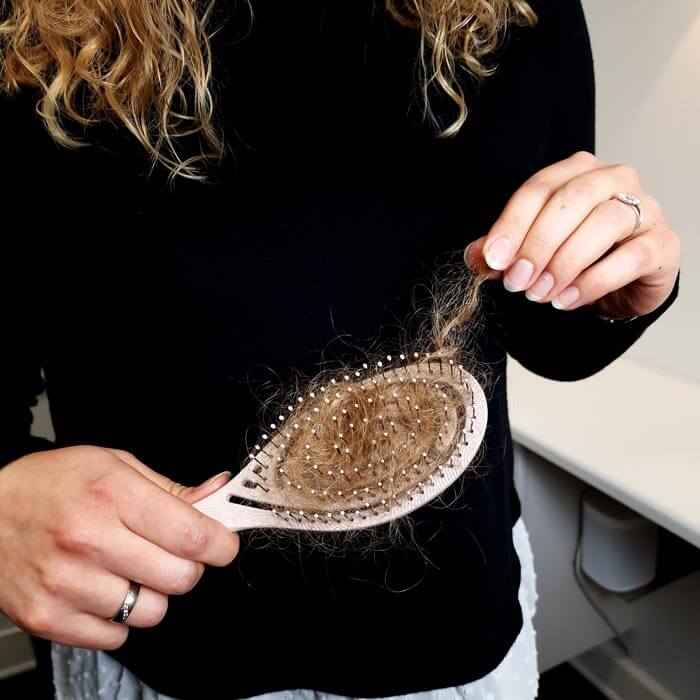
Alopecia areata (or simply alopecia in everyday terms) is an unpredictable condition that can affect both men and women – regardless of age. More specifically, it is an autoimmune skin condition in which the body’s own immune system attacks the hair follicles. The hair growth cycle stops, and the hair begins to fall out. Alopecia exists in different variations, of which alopecia areata – patchy hair loss – is the most common.
Alopecia often begins with patchy hair loss on the scalp. The hair loss varies from person to person, and the affected area may change in size and extent. If all the hair on the scalp is lost, the condition is called alopecia totalis. If all body hair is also lost, the condition is called alopecia universalis. Alopecia is diagnosed by a dermatologist, often based on blood tests to rule out other conditions.
Alopecia totalis and alopecia universalis
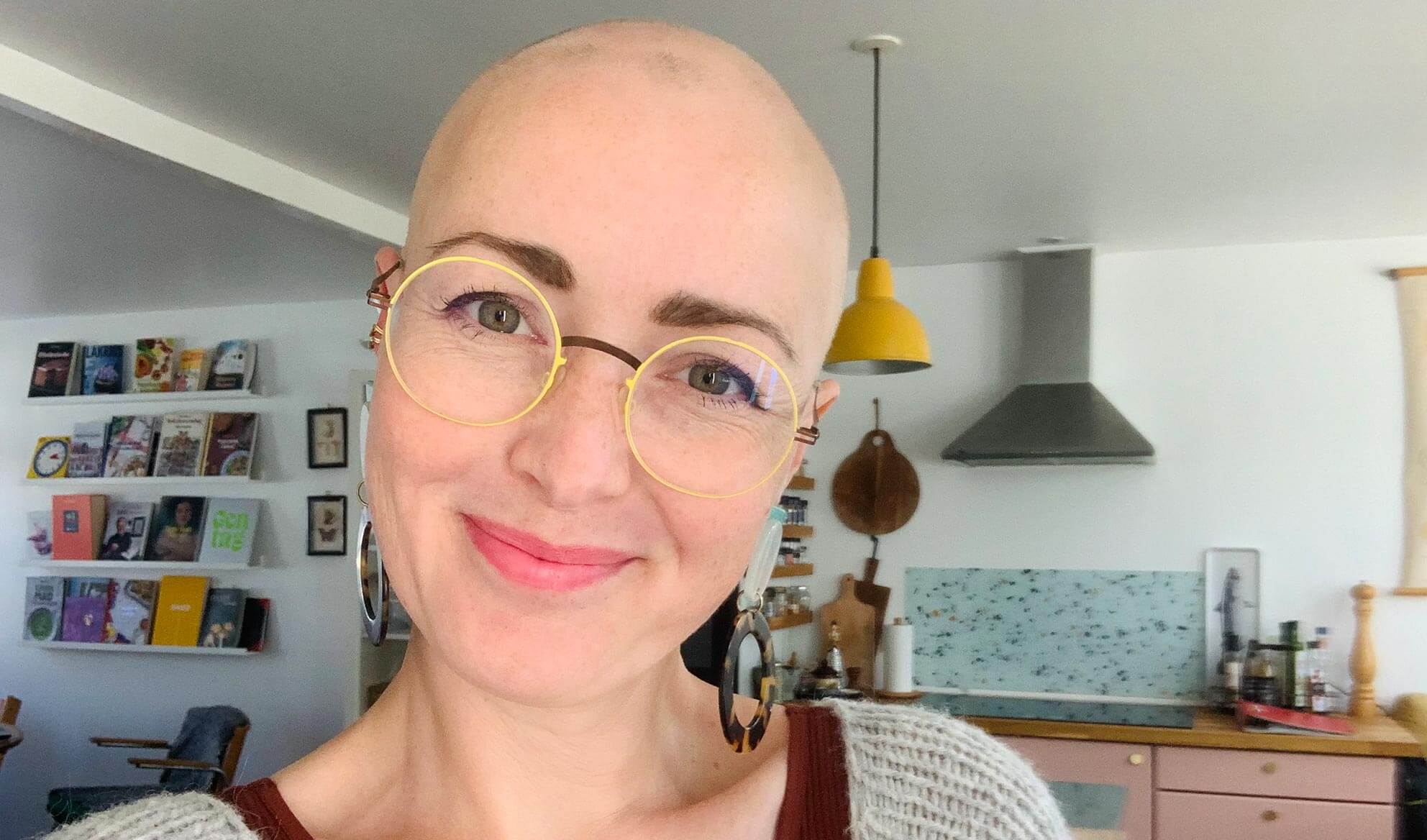
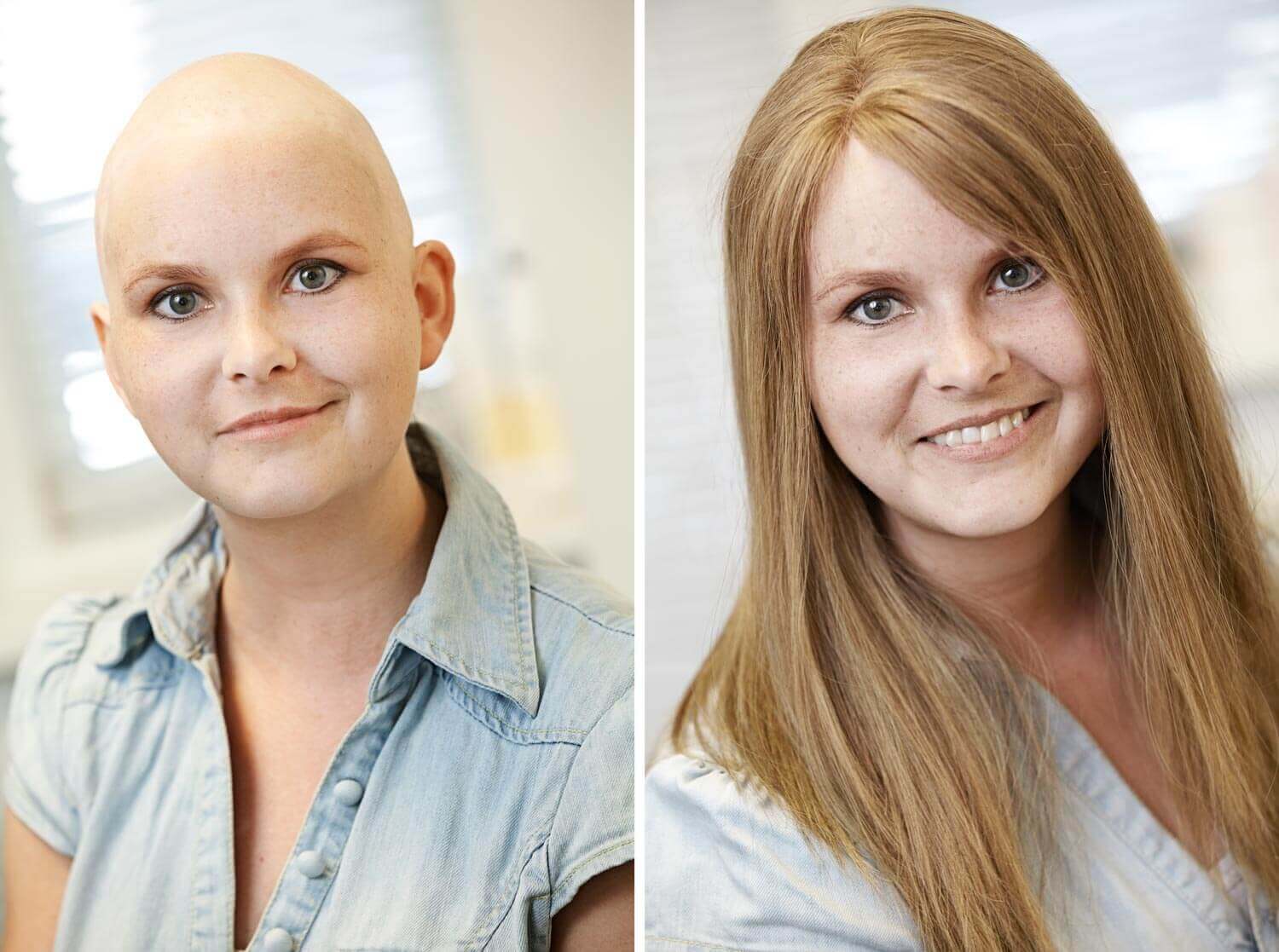
There are also other forms of alopecia that are rarer than alopecia areata (patchy hair loss). One is alopecia totalis, which – as the name suggests – results in the loss of all hair on the scalp. If the hair loss progresses to the rest of the body, the condition is known as alopecia universalis.


Who is affected by alopecia?
Alopecia occurs more frequently among people who are related to individuals with autoimmune diseases. These can include diabetes, lupus, thyroid disorders, celiac disease, or atopic eczema. Women and men are affected equally by the condition. Alopecia can occur at any time, but in more than half of cases, the first signs develop before or during the age of 20.
The prevalence of alopecia is constant and the same worldwide. It is uncertain why alopecia occurs, but a genetic predisposition is typically the determining factor. Other indicators such as stress and trauma are also suspected of triggering alopecia.
Women may be affected by androgenetic alopecia, which is significant thinning of the hair on the top of the scalp. Androgenetic alopecia is hormonally related and, like other types of alopecia, may be hereditary.
Alopecia and treatment options
Currently, there are no effective approved treatments for alopecia. However, a new medication from the United States is currently being tested in Denmark. Treatment with corticosteroids and light therapy are typically the options used. You may find that your alopecia is reduced for a period while undergoing treatment – but in general, it is not possible to predict the chances of regrowth.
Research is ongoing in the development of new treatment methods, primarily based on the use of immunomodulating agents. However, these treatments may have significant side effects, which you should be aware of.
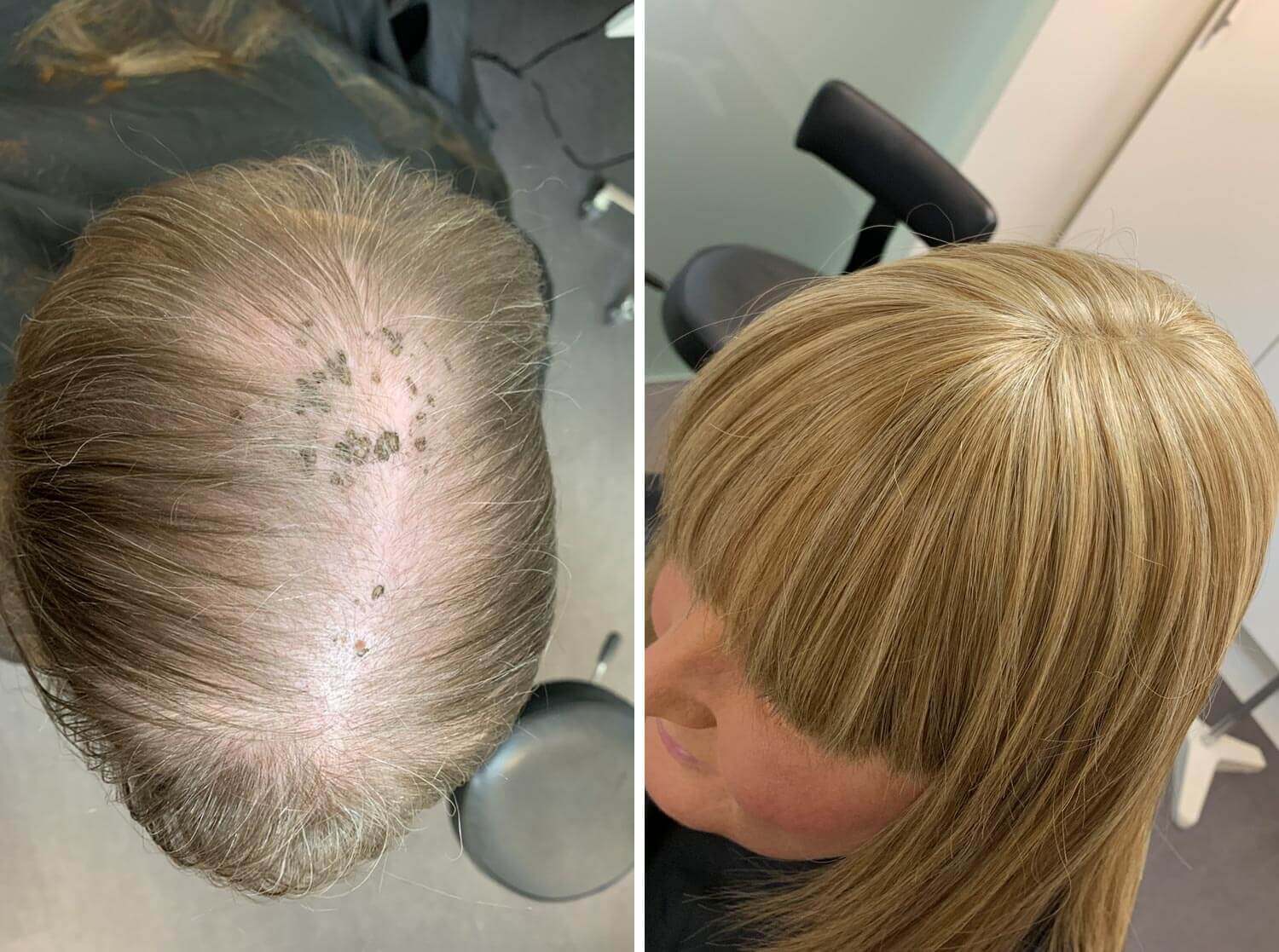
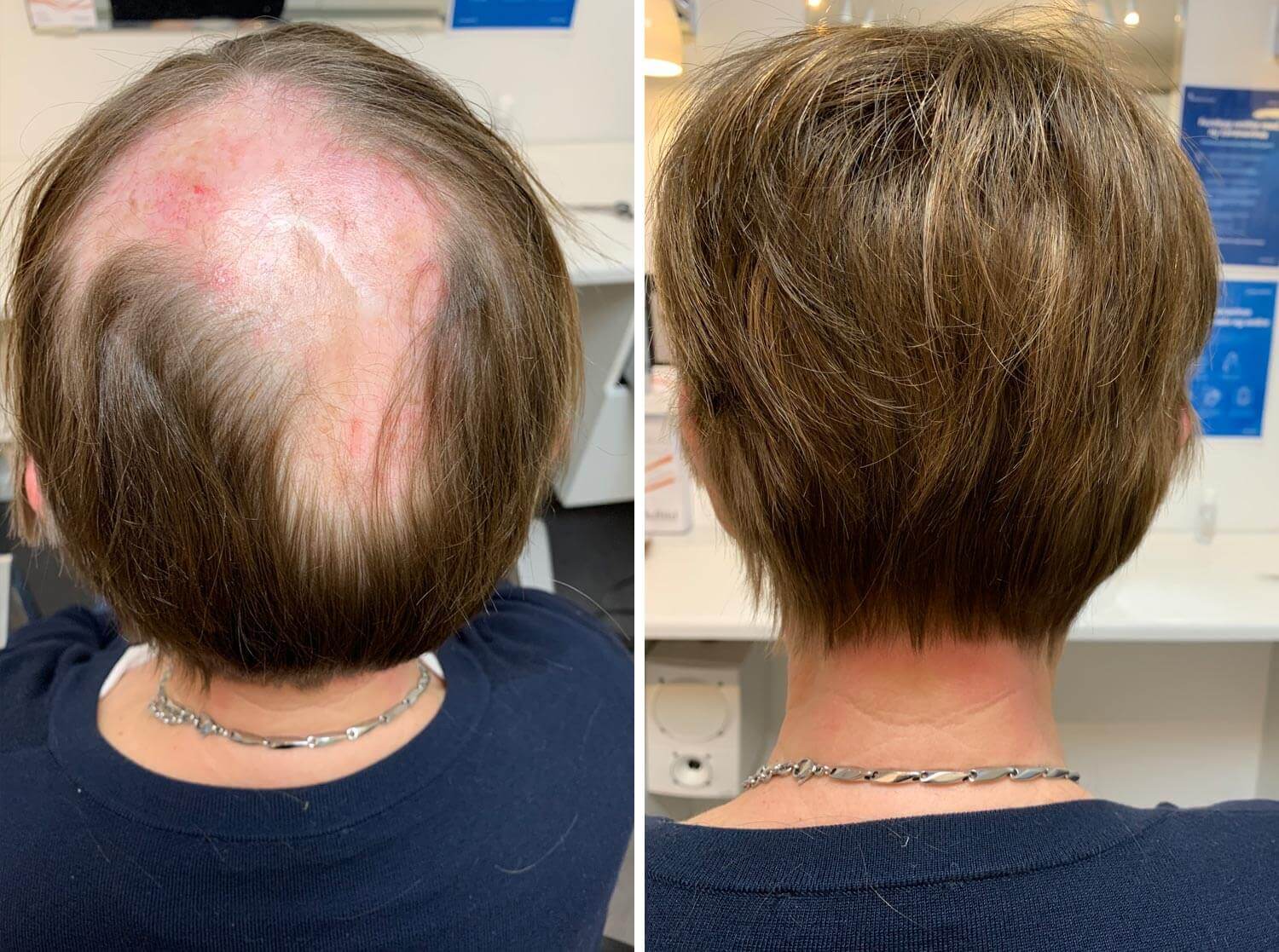
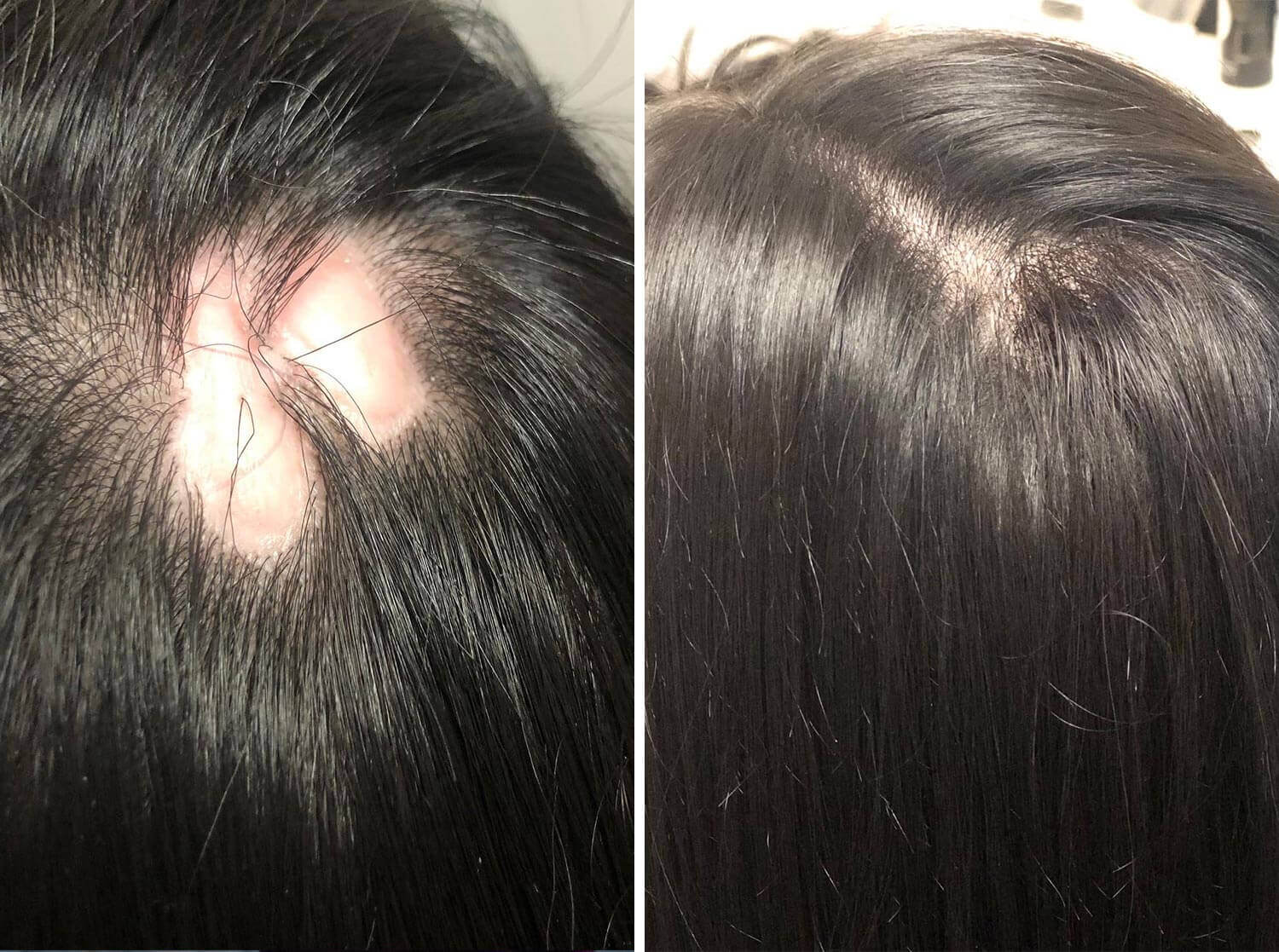
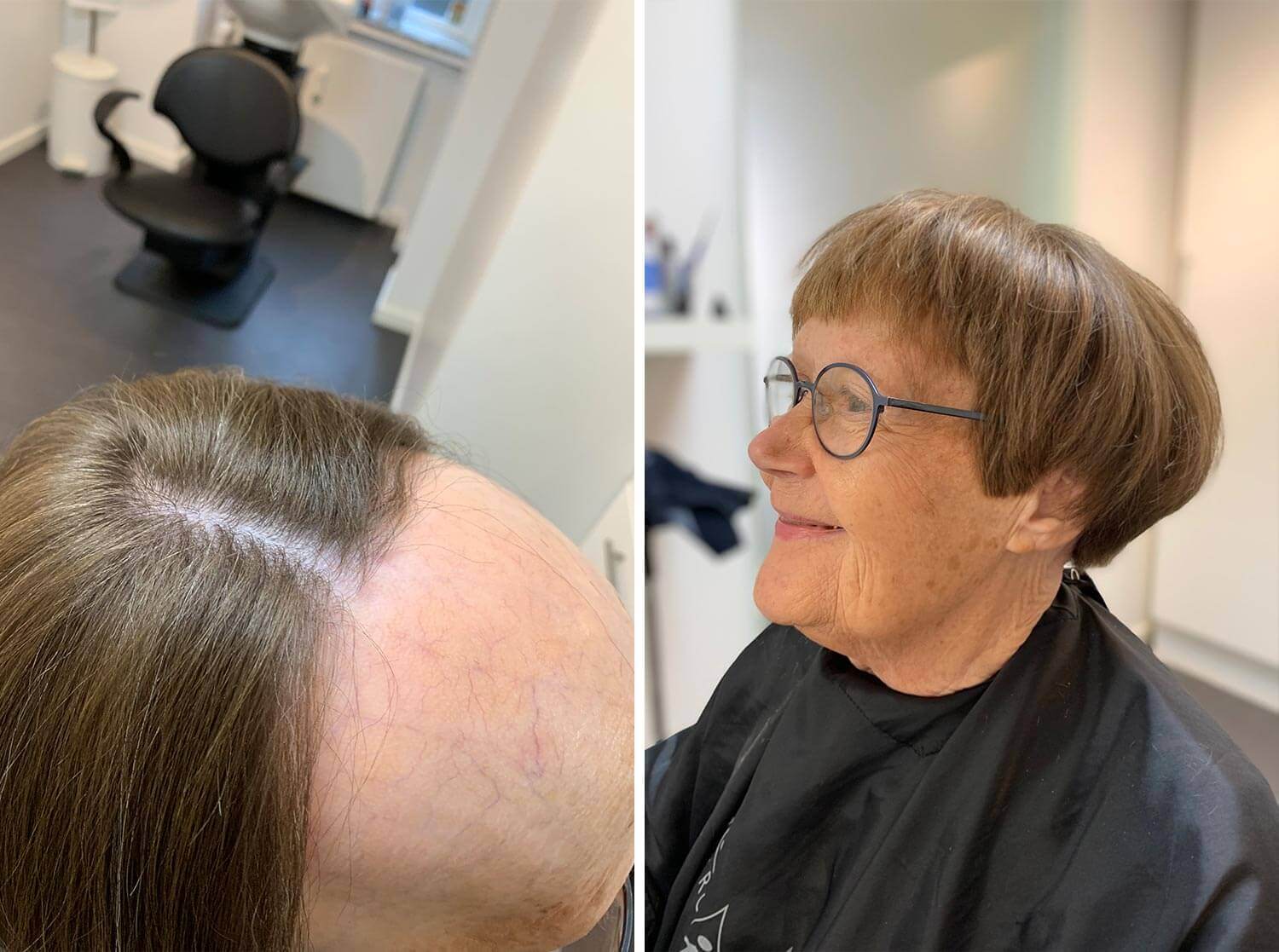
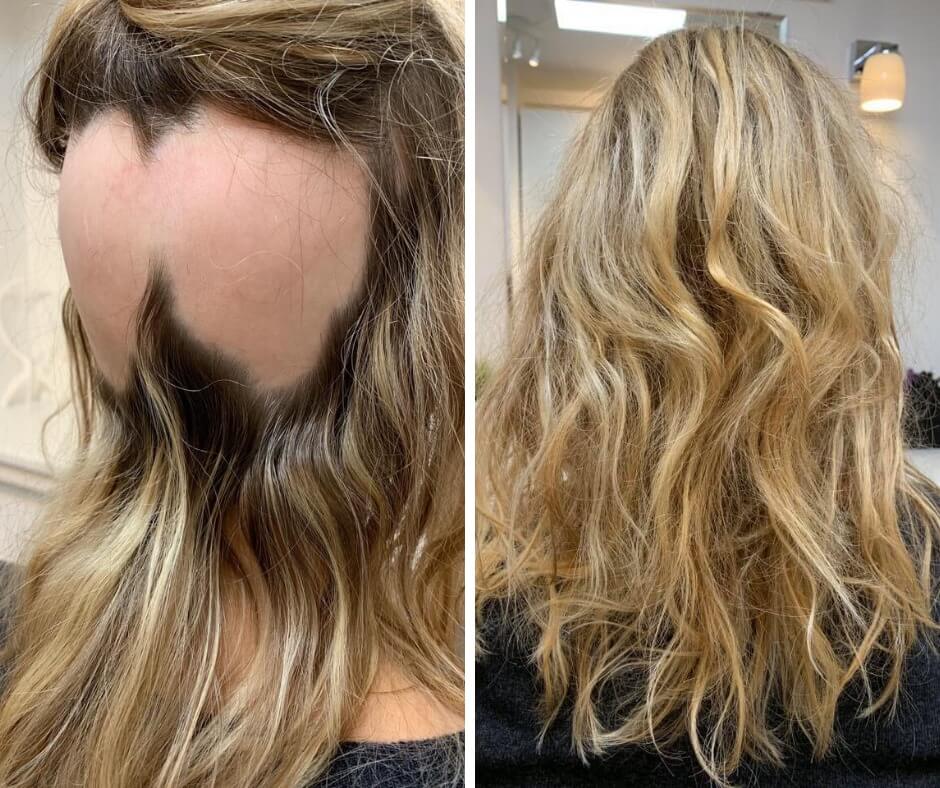
A small selection of solutions we have created
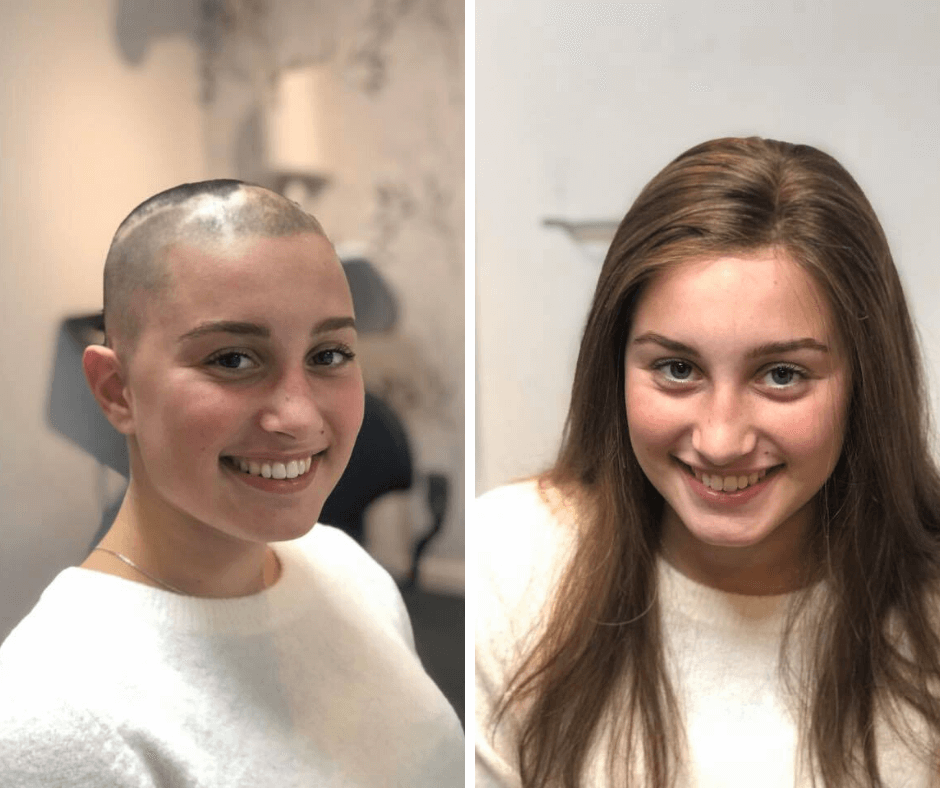
Facts and figures about alopecia areata
According to one of the largest health portals in Denmark, sundhed.dk, approximately 1.7% of the total population will experience alopecia to some degree. According to sundhed.dk, 80% will experience partial or complete hair regrowth within a few years. This means that 20% will experience permanent hair loss.
Alopecia affects up to 100,000 people each year in Denmark.
Get a professional hair consultation
Alopecia can affect anyone. That is why our solutions to help with your hair loss are as diverse as the people affected by alopecia. We offer you a free email consultation, where you can learn about the different options we can offer to give you exactly the hair you dream of. Simply fill out the form below, briefly describe your hair loss, and feel free to attach photos of your hair loss. This allows Lise Toftild to find the optimal solution for you. The photos will be deleted in accordance with GDPR after the evaluation.
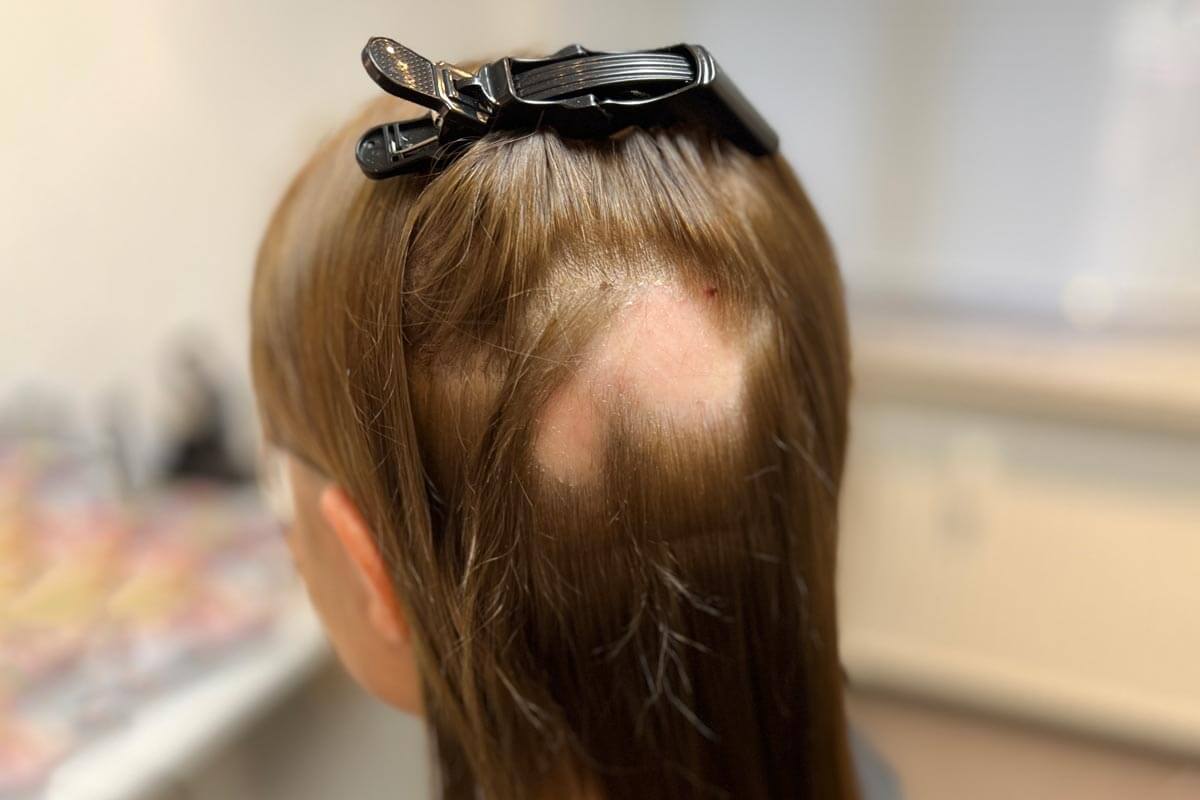
Hair solutions for alopecia areata
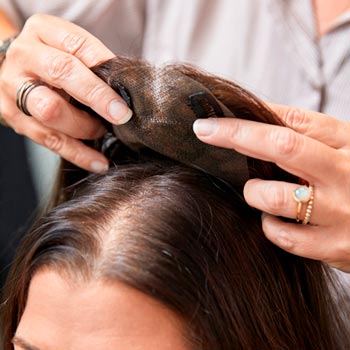
If you have alopecia areata – patchy hair loss – you can get a bespoke hair solution with Hair for Life® by Toftild that covers only the area where you are affected by hair loss. The solution does not necessarily have to be a full wig, but may also be smaller hairpieces attached to the specific areas where you are missing hair.
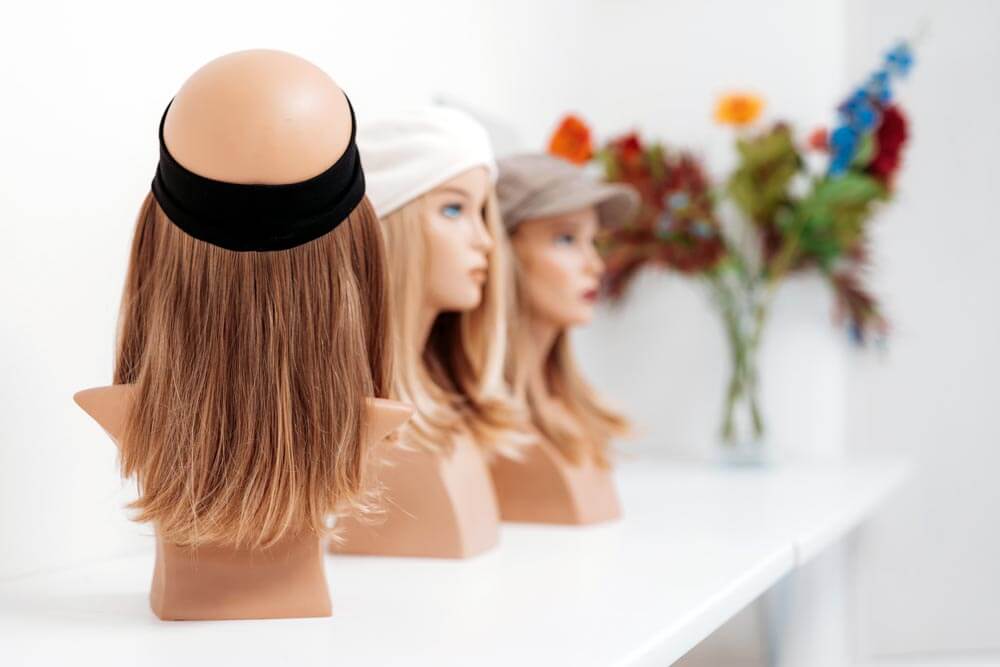
Natural hairbands made from donated hair
We introduce our unique Toftild Hairband, made with donated human hair, to offer a beautiful, natural, and comfortable solution for girls and women experiencing hair loss who do not feel ready for a wig. The hairbands are specially designed for those living with alopecia or undergoing chemotherapy, and who wish to regain the feeling of natural hair and personal style.
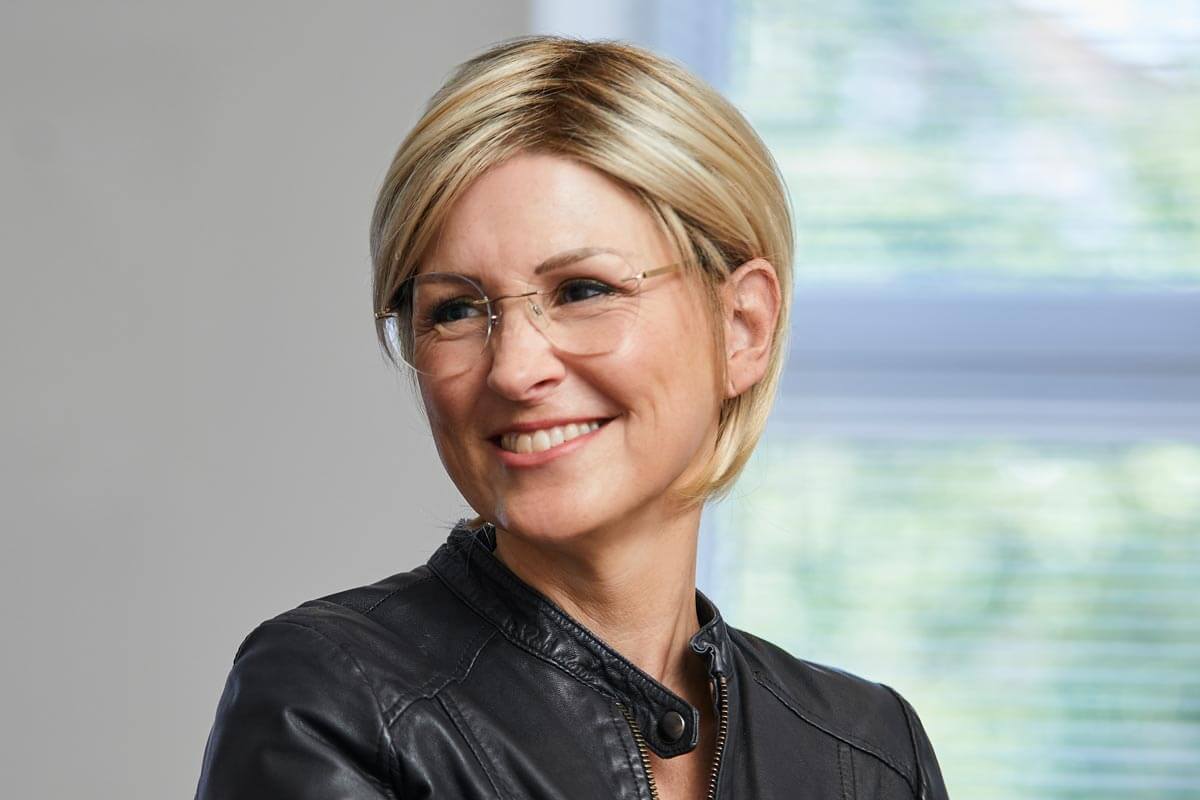
Alopecia and subsidies for wigs
Alopecia is defined as a functional impairment when the skin condition is confirmed to be permanent. This means you can apply for a municipal subsidy for more hair in the form of a wig or hair topper. The subsidy is granted by your local municipality after a specific and individual assessment of your situation.
Alopecia is covered by the subsidy you can apply for under Section 112 of the Danish Service Act. In this context, a wig that relieves your alopecia is considered a personal assistive device worn on the body. You may use the subsidy granted for your wig with any supplier you choose, even if your municipality has a procurement agreement with a different supplier than the one you prefer.
You can find the application for subsidy through your municipality’s citizen service. The application must be submitted digitally.