
Wigs – Breaking the Taboo
For many women, wearing a wig is still associated with a major taboo. At Toftild, we want to challenge that, because we know that today’s wigs are far better than their reputation. The word often makes us think of something slightly embarrassing because it doesn’t look like what it’s meant to – your own hair. Many people see wigs as old-fashioned and outdated, something only for older individuals. You might picture wigs blowing off in the wind, being far too large and thick, and above all looking unnatural. But it doesn’t have to be that way at all.
Wigs That Truly Make a Difference
Today, wigs are crafted to look incredibly natural. Product development in the wig industry has come a long way. Most wigs today are handmade or include handmade elements, often combined with what’s known as monofilament construction. In short, it means one hair – one knot. This creates a very natural look and gives the illusion of hair growing directly from the scalp. You can choose your wig with highlights, lowlights, and root color, so the shade looks completely natural. A natural mix of colors adds life. If your hair is starting to turn gray, you can find wigs in various gray tones and percentages as well. In fact, your wig choice can take you both forward and backward in time.

Many Names for a Loved Wig
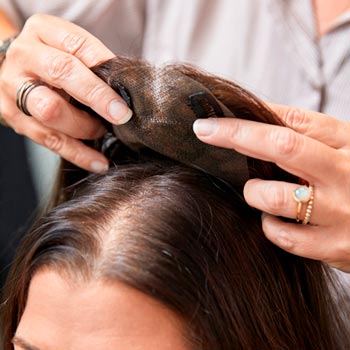
Many wigs today also feature a lace front – sometimes called a tulle front or film front. A beloved feature has many names! The most delicate part of any wig is the front. It should ideally be invisible and extremely lightweight. This is achieved with a lace front, which is a thin lace material where each individual hair is knotted into the base at a very low density, creating a completely natural-looking hairline. This feature is now available in most wigs. A lace front is particularly suitable for styles without bangs, as the base is fully transparent. Keep in mind that lace front wigs must be handled very gently to avoid damaging the front.
Finding the Right Wig Size
Most people have different head sizes. If you’ve ever had a graduation cap fitted, you may remember having your head measured. Basically, six different measurements determine the correct wig size, but the most important is the circumference. Today, you can choose wig sizes from XS to XL, just like clothing. A wig should feel secure and comfortable without causing irritation, so the fit is essential. Always have your head measured correctly to ensure your new hair fits perfectly and feels comfortable. A wig should not be too tight or too loose, and it shouldn’t sit on top of your ears or have the sides placed too high at the temples.
The Correct Hairline Placement
A wig has a natural placement on the forehead and should not sit too low, as that looks unnatural. This is a common mistake, often made because you want to make sure the wig feels secure. The wig finds its natural balance when it has the correct size and fit, especially at the forehead. You can measure the distance from the tip of your nose to the top of your eyebrows – usually about three to four finger widths. The same distance should be from your eyebrows up to the wig’s hairline. This ensures your wig sits correctly and your hairline looks natural.

Wig with or without a Wig Cap?
A bamboo cap under your wig can be beneficial if you sweat a lot. It might sound counterintuitive to add an extra layer, but a bamboo cap is very thin and helps wick moisture away from the scalp – something a wig cannot do. It can also feel softer against sensitive skin. The downside is that a wig cap may reduce some of the wig’s natural features, such as the lace front, if not positioned precisely. However, wig caps are available in various skin tones to match your complexion.
Wig with or without Tape?
Safety first! If that’s how you feel, using wig tape can be a good idea. Many wigs today come with adhesive areas inside where tape can be applied. The tape is double-sided and easy to use and replace. You should expect to change the wig tape daily, though you only need a small amount. If your wig doesn’t have adhesive areas, we can sew them in for you – typically at the sides and optionally at the nape. This allows you to dance all night or walk in strong winds without worrying. Your new hair will stay in place. Wig tape is skin-friendly and available in different strengths and widths.
Paryk Safety and Anti-Slip
Some wigs also feature anti-slip strips, similar to those in hold-up stockings. They work best if you have little to no natural hair. Otherwise, they may pull slightly and feel uncomfortable. However, anti-slip features can give an automatic sense of security when wearing your wig – without the need for tape.
Shake It! – Fluff Up Your Wig
For the most natural look, it’s a good idea to gently shake your wig before putting it on, whether it’s short or long. You might think wigs must always be handled very carefully, and that’s true when washing them. But giving your dry wig a gentle shake before wearing it helps the fibers fall naturally and can make a big difference in how natural the style looks. A light shake is much better than brushing it.
Princesses, Pirates and Wigs – Are There Cool Wigs for Children?
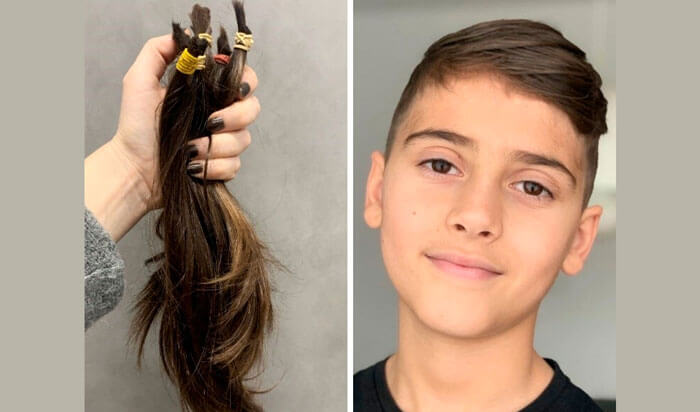
Children’s wigs are a world of their own. They do exist, but it’s rare to find ones that are lightweight and natural enough. We believe children’s wigs should be made from untreated human hair with very low density, ensuring the natural lightness typical of children’s hair. They should be natural in color, without highlights, for a more age-appropriate look. At Toftild, we have created children’s wigs from donated hair through our “Toftild – Love is in the Hair” project. You can read much more about it here – Toftild hair donation.
Synthetic Hair or Human Hair – The Wig’s Raw Material
Should you choose synthetic hair or human hair for your wig? First, synthetic hair is not the same as artificial or nylon hair. The fibers used in wigs today are patented, technically developed materials designed to look as close to real hair as possible. They won’t melt, but they cannot tolerate high heat. So if you choose a synthetic wig, avoid blow dryers and curling or flat irons. However, you’ll never have a bad hair day – after washing in cold water and air-drying, the wig retains its original style. This is a huge daily advantage. A human hair wig can be beneficial if you wear shoulder-length or longer styles, reducing mechanical wear from contact with clothing. Human hair can be curled, straightened, and colored (though preferably not lightened). It can be washed like your own hair and often lasts 4–6 months longer than synthetic hair.

Wig Prices – What to Expect
What does a wig cost? It’s a bit like asking what a car costs – it depends on what you’re looking for. In short, prices start at approximately $375 and can go up to around $3,750. Long human hair is expensive, so hair quality and length largely determine the price, as does the cap construction – whether it’s handmade or machine-made. Generally, synthetic wigs range from about $525 to $1,125. Human hair wigs range from about $825 up to $3,750. The most expensive options are often custom-made from untreated European hair.
Style Your Wig
Whether your wig is synthetic or human hair, you can always style it. Many wig wearers think in terms of limitations rather than possibilities, which is unnecessary. With synthetic wigs, avoid heat but feel free to use hair clips, pins, headbands, and accessories. You can braid it, create a bun, or wear a low ponytail if it’s long. Some heat-friendly synthetic fibers can withstand up to 160°C (320°F), allowing you to curl or straighten the hair. Human hair offers even more freedom – you can use mousse and hairspray because it can be washed out. Be cautious with strong styling products, as they may damage the wig cap construction.

Wig Care, Washing, and Powder Tips
Caring for your new hair always depends on its quality. You will receive thorough guidance on how to wash your wig. General rules: synthetic wigs should be washed in cold water, air-dried, and styled without hairspray – though a little fiber oil daily is helpful. If your synthetic wig appears too shiny, lightly spray hair powder or dry shampoo on it for an instant matte effect. Human hair wigs should be washed in warm water, occasionally blow-dried or flat-ironed, and nourished with conditioner, leave-in treatments, and weekly hair masks. A toner is possible. If your wig is a blend of synthetic and human hair, care for it almost like 100% human hair, but limit heat to 160°C (320°F) and avoid coloring.
A Wig – or Simply New Hair?
Many feel the word “wig” carries too many myths and prejudices. So we suggest calling it what it really is: your new hair.